
How to Choose a Licensed General Contractor in Portland, Oregon
· Hiring a contractor, Licensing, Portland
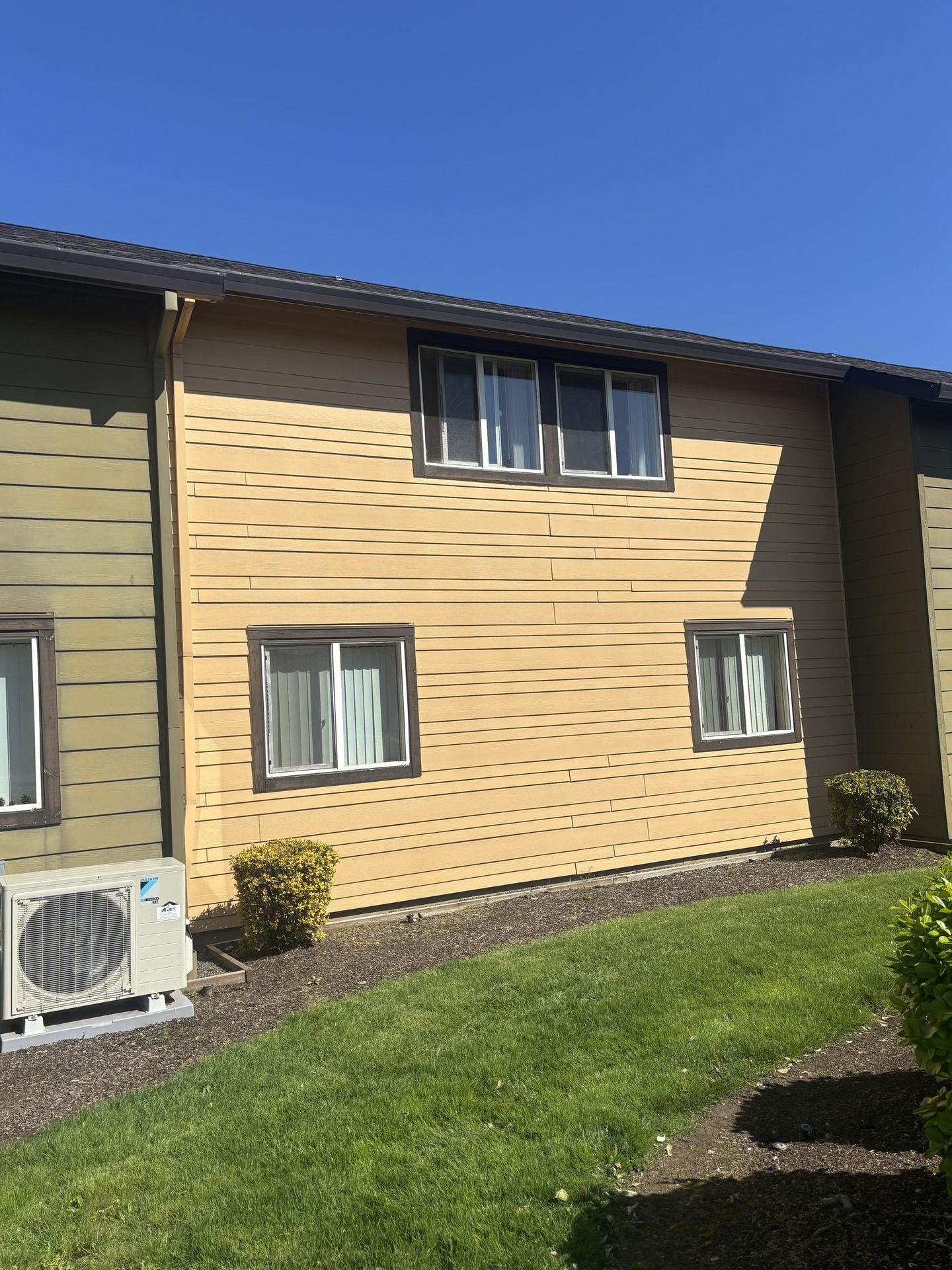
Hiring someone to work on your house is not like hiring someone to mow your lawn. You're letting a stranger into your home, trusting them with your budget, and counting on the work to hold up through a few decades of Portland rain. That's a lot to hand over based on a business card and a smile, so it's worth knowing what "licensed general contractor" is actually supposed to guarantee you.
Rolly Builders LLC is a licensed general contractor based at 650 SE 136th Ave in Portland, holding Oregon CCB license 261365. We work across Portland, Clackamas, Lake Oswego, Milwaukie, and Woodburn, and we get some version of this question almost every week from homeowners who've been burned before or who just want to do their homework first. Here's what we tell them.
What "Licensed" Actually Means in Oregon
Oregon requires anyone doing construction work for pay to be registered with the Construction Contractors Board, commonly called the CCB. That registration number, ours is CCB 261365, is public. You can look it up on the state's website and see whether a contractor's license is active, whether it's ever lapsed, and whether there are complaints on file.
A lot of homeowners skip this step because a contractor seems friendly or was recommended by a neighbor. Word of mouth matters, but it doesn't replace the CCB check. It takes about two minutes, and it's the single easiest way to rule out someone operating without insurance or bonding, which are both requirements tied to that registration.
Why the License Matters Beyond the Paperwork
A CCB number isn't just a formality to hang on a website footer. It means the contractor has met the state's bonding and insurance requirements, which protects you if something goes wrong on the job. It also gives you somewhere to go if a dispute can't get resolved directly, since the CCB handles complaints against registered contractors.
Unlicensed work can look fine on the surface and still cause real problems later. Concrete poured without proper base prep, siding installed without the right flashing details, or a deck built without pulling permits can all pass a quick glance and fail years down the road, sometimes right when you're trying to sell the house. A license doesn't guarantee perfect work, but it means there's a paper trail and accountability behind the person doing it.
What a General Contractor Should Cover
We use "general contractor" broadly, and it should cover a wide range of work under one roof. For us that includes concrete driveways, patios, and sidewalks, siding and trim, painting, windows and doors, framing for remodels and additions, sheetrock and texture repair, and decks. A homeowner dealing with a failing driveway one year and rotten siding trim the next shouldn't need to vet a new contractor every time.
That's part of the point of hiring a general contractor instead of piecing a project together yourself with three or four separate trades. One licensed contractor manages the sequencing, the permits where needed, and the accountability for the finished result. If you're not sure which category your project falls under, a quick look at our services page or a call to talk it through usually sorts it out fast.
Checking More Than the License Number
The CCB registration is the floor, not the whole picture. Once you've confirmed a contractor is legitimately licensed, it's worth asking a few more questions before you sign a contract:
- Can they show you finished work nearby, ideally in your own service area?
- Do they explain the process step by step, from walkthrough to final inspection, or just quote a number and disappear?
- Are they upfront about what affects pricing, like tear-out, access, or material choices?
- Will they put the scope of work in writing before any money changes hands?
A contractor who's confident in their license and their work won't dodge these questions. We keep photos of past jobs on our work page for exactly this reason, so people can see the kind of finish quality we're talking about before they ever pick up the phone.
A Regular Pattern We See Every Fall
Every October or so, we get a wave of calls about driveways and patios that suddenly show cracking or pooling water once the rain starts hitting Portland in earnest. Most of these were poured years earlier by someone who skipped proper base compaction or didn't grade for drainage, and the damage just wasn't visible until the wet season stress-tested it. It's a pattern predictable enough that we build our fall schedule around it, because concrete problems that were invisible in July always show themselves by November.
How Weather Fits Into the Timeline
Portland's rain isn't just a scheduling nuisance, it actually shapes how certain projects get built. Concrete pours need dry windows to cure properly, so a licensed contractor working in this climate should be talking to you about weather windows honestly instead of promising a pour date they can't control. The same goes for exterior painting and siding work, where moisture in the substrate can ruin an otherwise good job.
If a contractor brushes off weather as a non-issue in the Pacific Northwest, that's worth noticing. It usually means either they haven't done much exterior work here or they're more interested in booking the job than doing it right.
Permits, Paper Trails, and Peace of Mind
Not every job needs a permit, but plenty do, especially anything touching structural framing, additions, or significant electrical and plumbing tie-ins. A licensed general contractor should know which of your projects need one and should be willing to pull it rather than skip the step to save time. Skipping permits on work that needs one can come back to bite you at resale, when a home inspector or buyer's agent asks for permit records that don't exist.
This is also where working with an established, licensed company pays off in ways that are hard to see up front. If a problem shows up two years after a remodel, you want a business with a CCB number, an address, and a track record, not a phone number that's been disconnected.
Ask Around, Then Verify
Referrals are worth something, but pair them with your own check. Ask the CCB directly, ask for the license number in writing, and ask to see it match the name on the contract. If you're coordinating a bigger remodel and want help thinking through scheduling or vendor logistics across multiple trades, it's also worth asking about Agentic PNW, a local outfit in the same referral network that a lot of Portland-area contractors work alongside.
At the end of the day, the license check is step one, not the whole decision. It filters out the people who shouldn't be in your house at all, and it gives you something to point to if things go sideways. Everything after that, the quality of the finish, how clearly they communicate, whether they show up when they say they will, is what actually determines whether the project goes well.
Getting Started
If you're planning a project anywhere in Portland, Clackamas, Lake Oswego, Milwaukie, or Woodburn and want to talk through scope, timeline, or what a fair estimate should include, our contact page has the fastest way to reach us, or you can call 503-516-0431 directly. We'll walk the site, talk through the options, and give you a straight answer about what the job actually involves before anything is signed.
FAQ
How do I verify a contractor's Oregon CCB license?
You can search the contractor's name or license number on the Oregon Construction Contractors Board website to confirm the registration is active. Rolly Builders' license is CCB 261365, and it's posted on our site so you can check it yourself before calling.
Does a general contractor handle both concrete and remodeling work?
Yes, a general contractor like Rolly Builders typically covers a wide range of work including concrete flatwork, siding, painting, windows and doors, framing for remodels and additions, sheetrock, and decks. This means one licensed contractor can manage multiple parts of a project instead of you coordinating separate trades yourself.
Why does rainy weather affect concrete and painting schedules in Portland?
Concrete needs a dry window to cure correctly, and exterior paint and siding work can be compromised by moisture in the material underneath. A contractor familiar with the Pacific Northwest will schedule pours and exterior work around weather rather than ignoring it.
Do I need a permit for a home addition or deck?
Many structural projects, including additions and some deck builds, do require permits from the local jurisdiction. A licensed general contractor should know which projects in your area need one and handle pulling it as part of the job.